
Letter 1
Jan 5th 2024
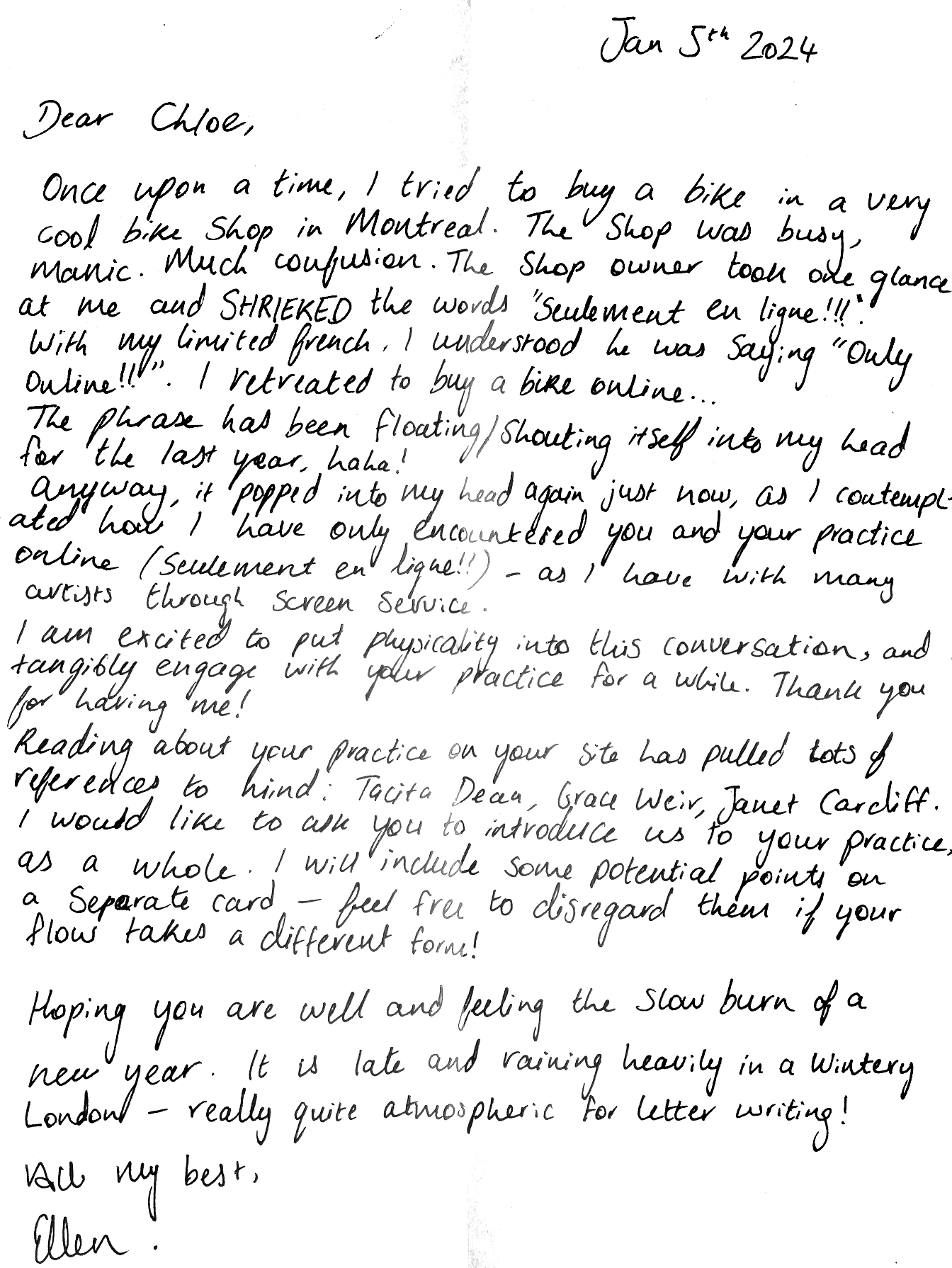
Dear Chloe,
Once upon a time, I tried to buy a bike in a very cool bike shop in Montreal. The shop was busy, manic. Much confusion. The shop owner took one glance at me and SHRIEKED the words "Seulement en ligne!!!”, with my limited French, I understood he was saying "Only online!!!”. I retreated to buy a bike online...
The phrase has been floating/shouting itself into my head for the last year, haha! Anyway, it popped into my head again just now, as I contemplated how I have only encountered you and your practice online (Seulement en ligne!!) - as I have with many artists through screen service.
I am excited to put physicality into this conversation, and tangibly engage with your practice for a while. Thank you for having me! Reading about your practice on your site has pulled lots of references to mind: Tacita Dean, Grace Weir, Janet Cardiff. I would like to ask you to introduce us to your practice as a whole. I will include some potential points on a separate card - feel free to disregard them if your flow takes a different form!
Hoping you are well and feeling the slow burn of a new year. It is late and raining heavily in a wintery London - really quite atmospheric for letter writing.
All my best,
Ellen
Dear Ellen,
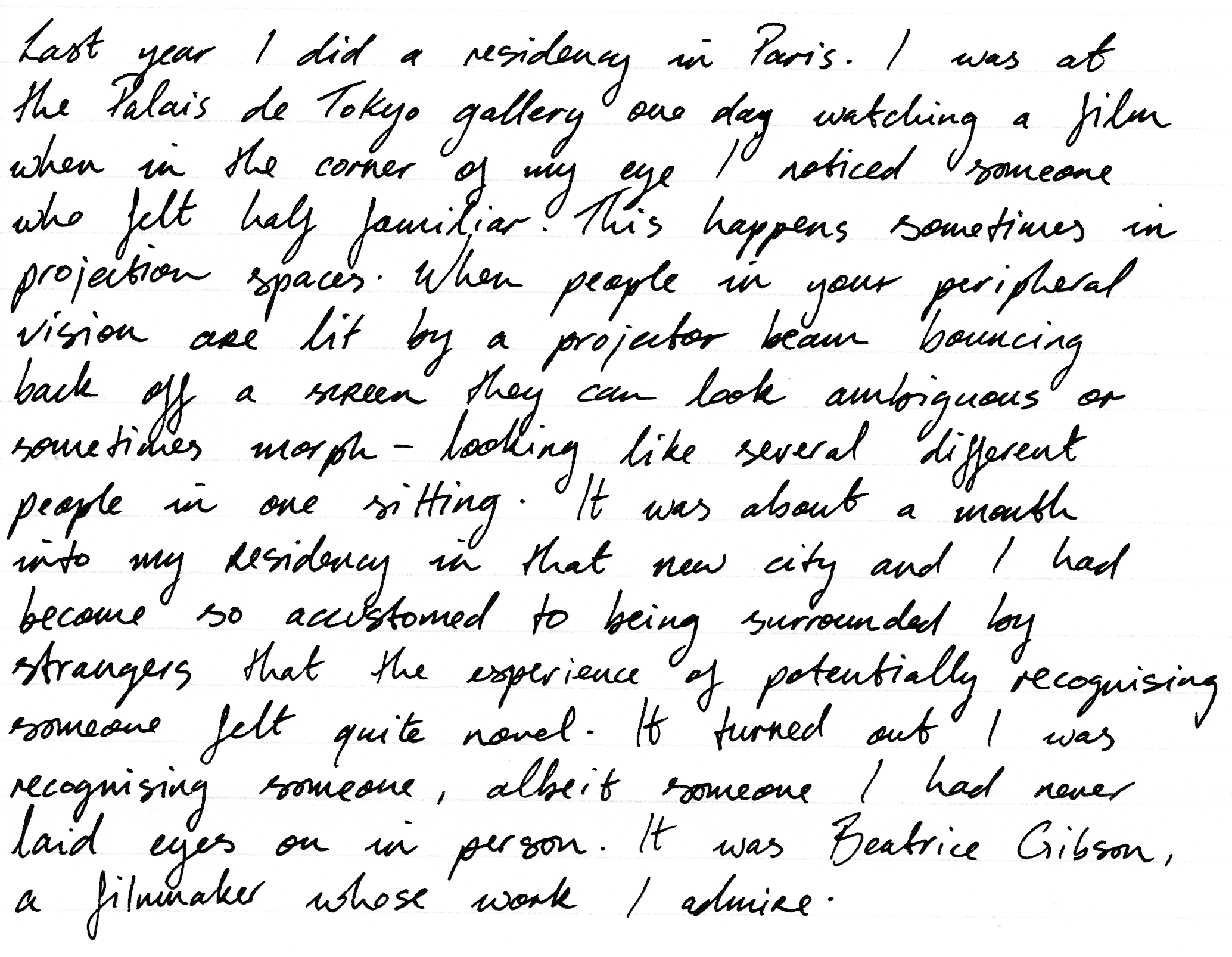
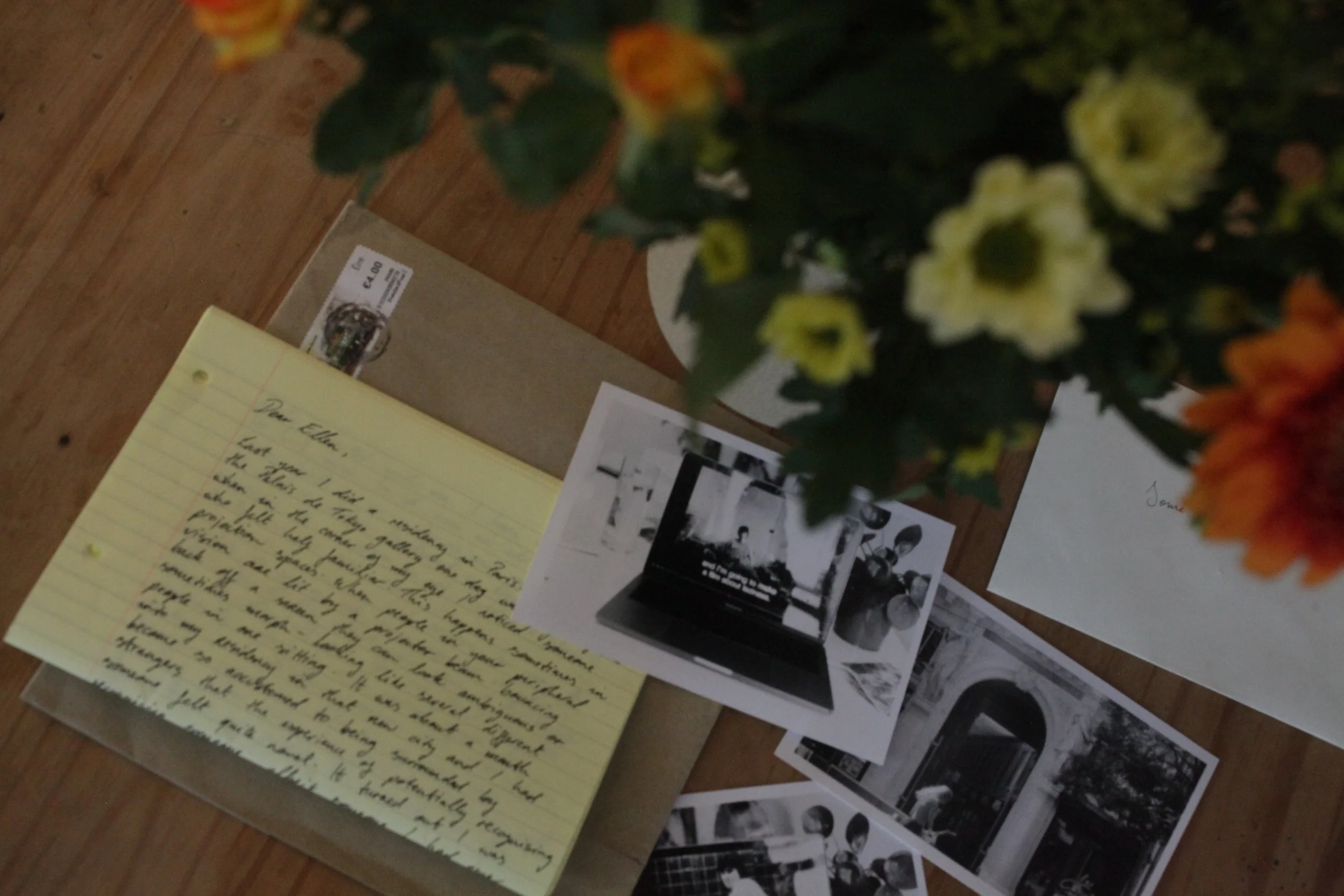
Last year I did a residency in Paris. I was at the Palais de Tokyo gallery one day watching a film when, in the corner of my eye, I noticed someone who felt half familiar. This happens sometimes in projection spaces. When people in your peripheral vision are lit by a projector beam bouncing back off a screen, they can look ambiguous or sometimes morph, looking like several different people in one sitting. It was about a month into my residency in that new city, and I had become so accustomed to being surrounded by strangers that the experience of potentially recognising someone felt quite novel. It turned out I was recognising someone, albeit someone I had never laid eyes on in person. It was Beatrice Gibson, a filmmaker whose work I admire.
I had been watching a lot of French films, trying to get a better ear for the language, and a day or two before, I had rewatched Claire Denis' Beau Travail. Have you seen it? It's an incredible film. Beatrice had been on my mind since watching it because she performs a sort of homage to Claire Denis in one of her own films, I Hope I'm Loud when I'm Dead, by riffing off the incredible dance scene at the end of Beau Travail. She recreates the mise en scene (a mirrored dance floor with twinkling lights) and performs the dance with her kid. This is the rhythm of the night by Corona blasting in the background. I watched Beatrice's film on a streaming site five or six years ago and it really resonated with me. I have been following her work since. So it was an odd experience having built up an awareness and appreciation of her practice online (seulement en ligne) to be recognising her in person as we watched a film together in the same room.
I suppose I'm using this anecdote to segue into some responses to your letter. I'm thinking about your story of the bicycle shop in Montreal and how our real lives are constantly interfacing with virtual spaces, for practical and utilitarian reasons but also for formative experiences - like, in my case, how watching films online has come to shape me and, by extension, my practice. The internet has also been a place to seek out communities of interest who are physically far away but whose ideas, influences and concerns share some proximity. It's interesting to me that you and I first 'met' over lockdown in a small group 'gathering' over Zoom to talk about writing and art. At that time, the conversation took place across an ocean. It's interesting to me that we're talking again through pen, paper and the postal service. This time across a sea, and we have yet to be in the same room together.
In your letter you mentioned the relevance of passion and emotion to making work so I'll stay with Beatrice for a moment longer. I recall reading an interview with her some time ago where she said "feelings are not uncritical" and for me that was really affirming. Her film I Hope I'm Loud When I'm Dead really foregrounds feelings. A new mother thinks about emergencies taking place at multiple scales across the wider world. She refuses despair, instead weaving together multiple references to other female and non-binary artists, filmmakers and poets whose work articulates ideas and methods of practical resistance, creating a quality evocative of a kind of filmic mixed tape, compiled with love and an open sense of adoration.
When I saw that piece, I had been feeling troubled for some time because a lot of what I was seeing in white cube spaces was very formal with a detached kind of coolness, often devoid of emotions or any sense of the social context of the artworks and their making. And I was coming away from things not feeling much and not really knowing what to do with that. I don't think that kind of work shouldn't exist or that it doesn't have a place in the world; I think people can make what they want; I suppose it just felt particularly dominant at that time. The furious dancing at the end of Beatrice's film (her nod to Claire Denis) doubled up for me at that time as both her refusal of despair and also a refusal of emotional detachment. And the active referencing of other artists in the film was a lovely reminder that artworks work in the world; they affect things, often in ways that cannot be anticipated. I think at the core of what I do, feeling has to be in there - as a motivating force to make something or in the response to a subject of inquiry - I don't ever want to make something from a detached "view from nowhere" (no such thing). I also think about emotion in the reception of things. I think it’s important as an artist to be a fan. I tend to work with film, photography, sound, paper, text - time?
I've always been an active reader of books, but I consider myself an internet girl too. I've had a laptop since my college days. I've found great blogs and websites and downloaded my fair share of films from Pirate Bay. I've found great work and artists online. I should say I'm by no means making a case for the internet as a whole here. It's an incredibly dark place too. But I can see why movements like early net art followed on from the radical tradition of mail art - this idea of refusing to comply with the elitist structures of commercial art scenes, sidestepping gatekeepers through the use of the web and postal service. Which I think is why, in my mind, online, artist-led initiatives like screen service are linked to letters - I think it has something to do with communities of interest using existing infrastructures to connect across distances. And share things. And to do so with some level of spontaneity. Maybe it's also connected in my mind to the idea of the mixed tape - weaving/collaging things you find, moving together with the explicit intention of sharing it with someone else. Do you recall any of the early feelings or impulses that led you to develop screen service? I'm always interested in the kernels of projects like those.
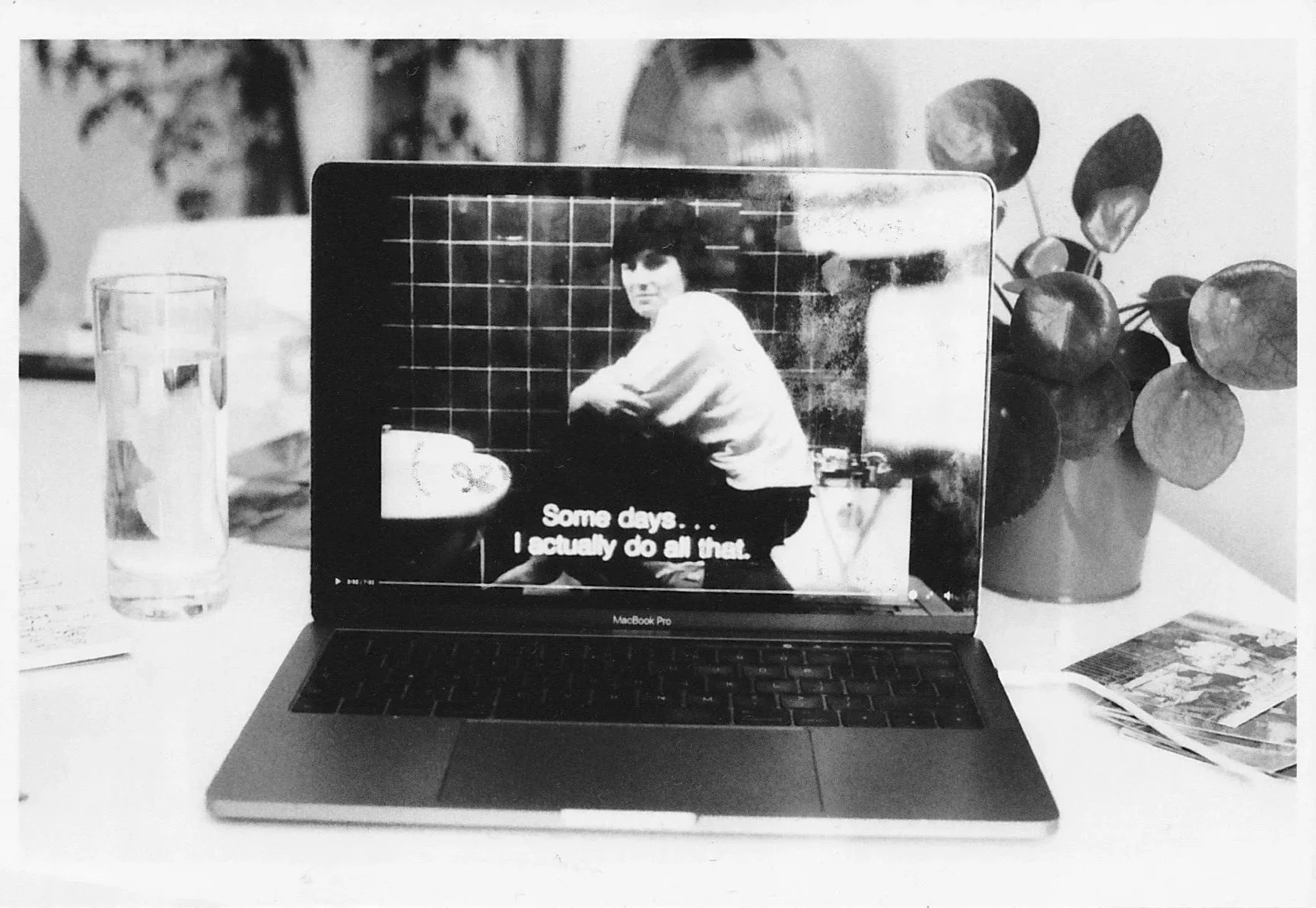
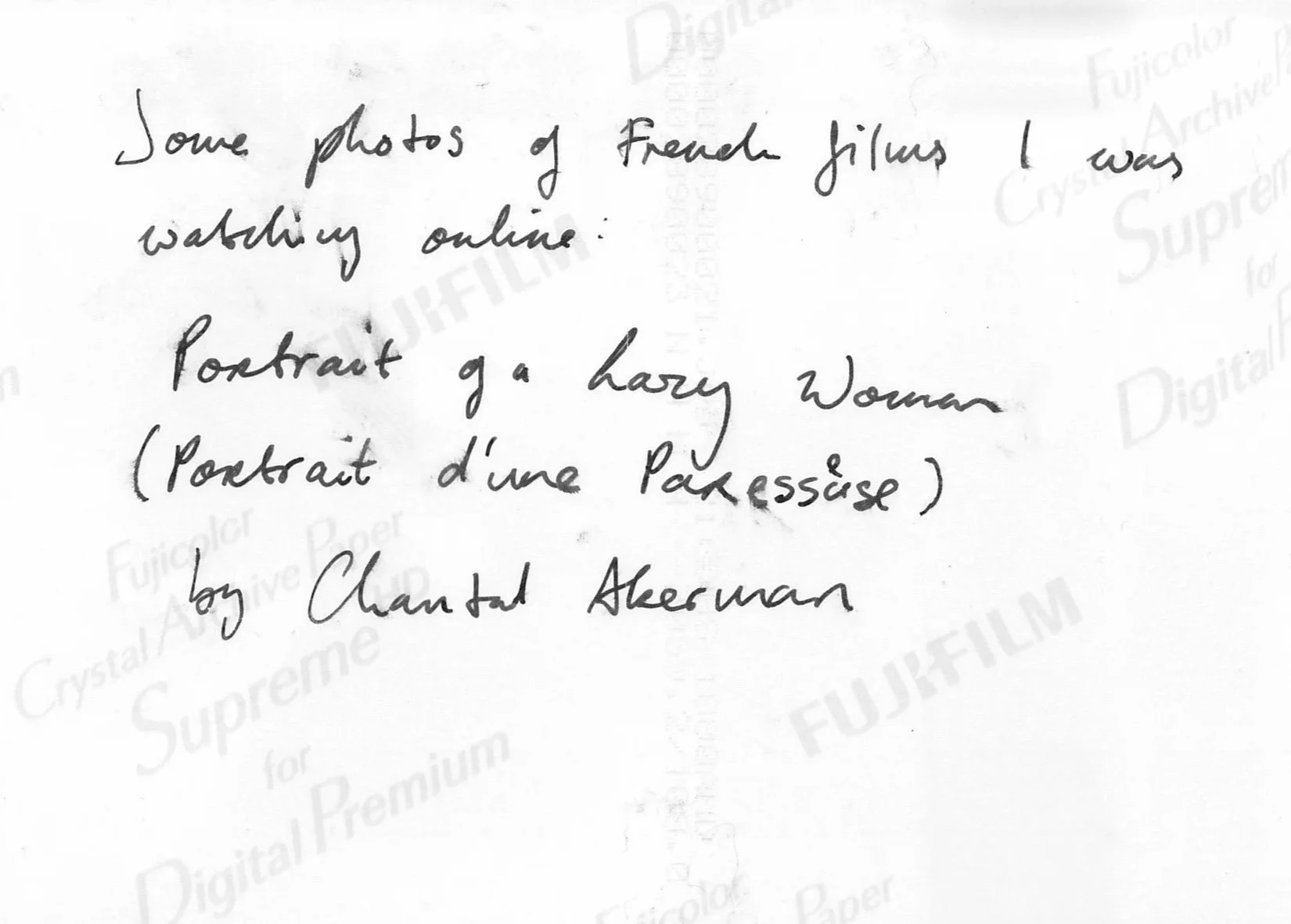
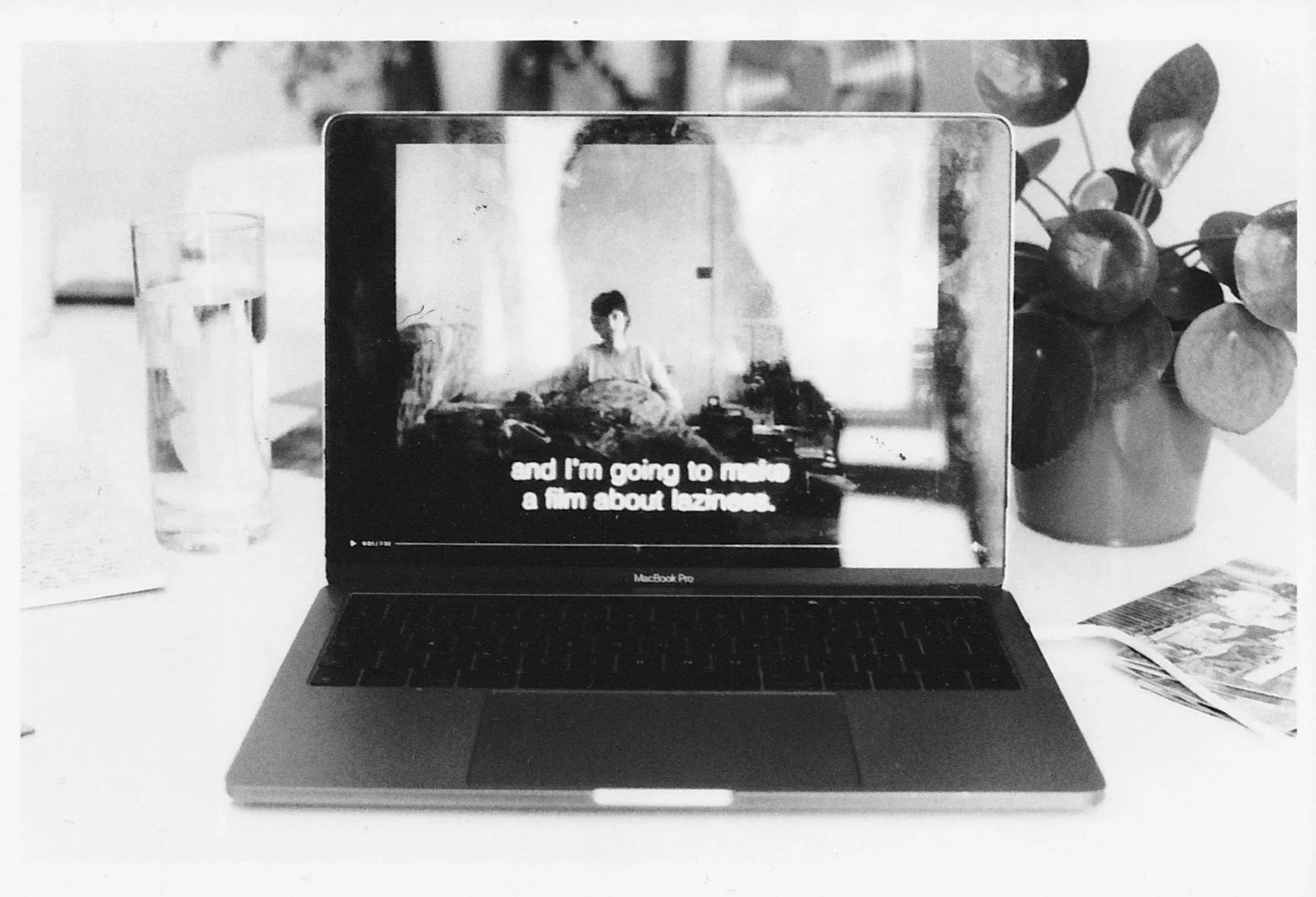
I also think it's important that we don't migrate online to the extent that we neglect the phenomenal world and become inattentive to things and communities there. And what they show us. I'm very interested in the specificities and poetics of place. I grew up in rural County Carlow, and I divide my time now between there and Dublin. It's small and kind of wild. When you get outside of the town, the countryside is beautiful too. It's not a dramatic postcard beauty like the kind you find in landscapes out West. There's a dappled quality to things.
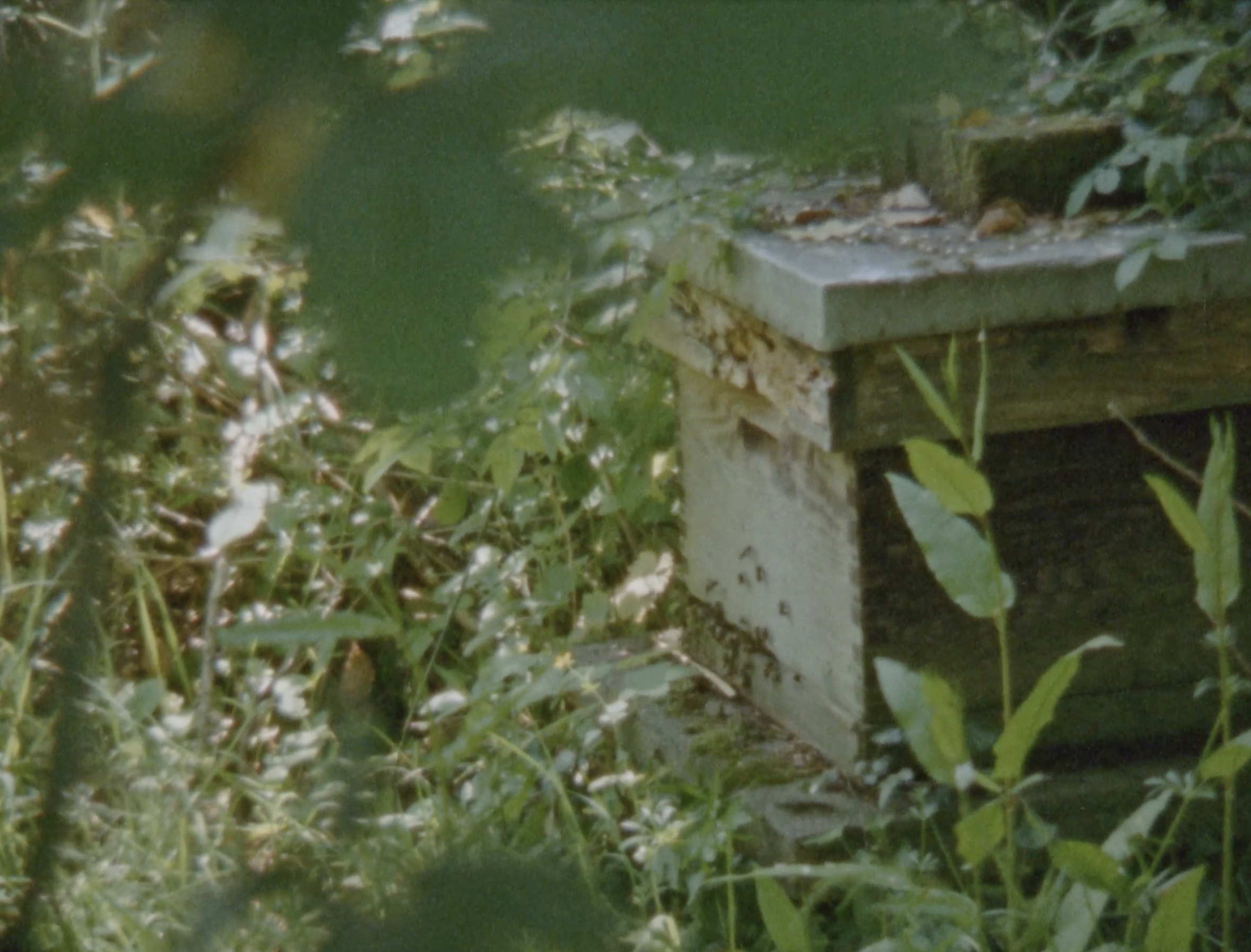
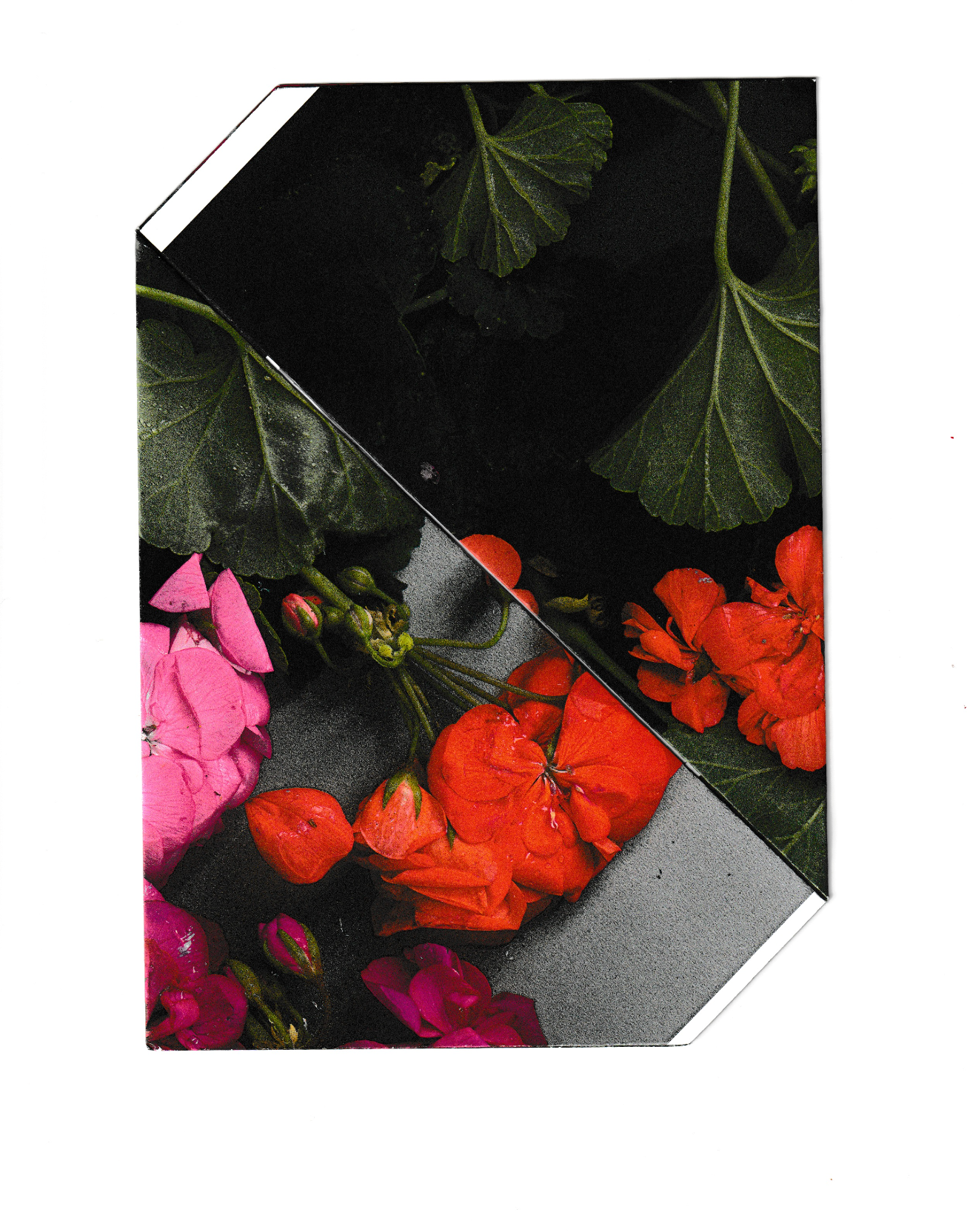
My dad is a musician, so when we were kids he gigged at night and was at home with us during the days. He has this practical, rural, working-class knowledge and real sensitivity to land, and he's been planting trees since he was a kid in a really dedicated way. I rang him today, and he was out scoping places in the glades with decent light and not too much exposure to move a batch of saplings he's been tending to where they might flourish. He learned to be attentive to these things from his mother. She also taught him how to grow vegetables and keep bees. So myself and my sisters have always been tuned into seasons, the weather, light and things happening on the ground. Looking back, I think this was formative for me as an artist too - it helped me cultivate a kind of sensitivity to the gradients of things on the edge.
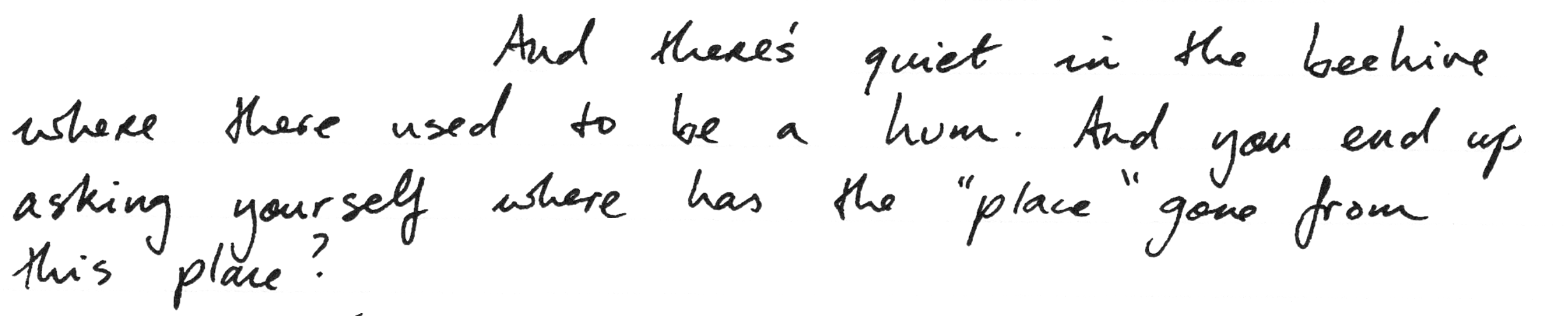
I suppose growing up somewhere like Carlow was like growing up on an edge. I wonder whether it is similar in this way to Dundalk? Edgelands hold their own kind of atmospherics. They also teach you how to see the potential in things for improper use. Bathtubs as animal troughs are a pretty common sight. And you get good at climbing over makeshift fences fixed with fading election posters as you follow desire lines across fields to makeshift sessions by the river with friends. Routes nobody will ever find on Google Maps. Edgelands also have their problems. Somewhere along the line, Carlow came to be known as part of the "commuter belt" for Dublin. This is just one out of a multitude of problems that the housing crisis has produced across Ireland. The result in this instance is that people's days - and by extension, their lives - get broken down and spread thin across long distances, working hours, traffic and bus/train timetables. This is alienation. This daily exodus of workers and students impacts the wider community too, eroding many of the ordinary yet vital things that form and maintain a community. The bees in my dad's hives are dying too. So there are these sort of negative silhouettes of things- boarded-up buildings in the town where the community used to work and socialise. And there's quiet in the beehive where there used to be a hum. And you end up asking yourself where has the "place" gone from this place?
These are examples from patterns of slow dyings and small endings that aren't spectacular but they matter. It matters that the bees are dying - of course, on the macro level of the biosphere - but also for ordinary people like me and my dad. It matters because his mother kept bees and he learned from her and she learned from her mother, so there is this texture of personal loss as it is experienced by ordinary people like us against the backdrop of this extraordinary macro loss. And these macro losses - the housing crisis, ecological collapse, climate breakdown and more - will register differently with others in distinct and nuanced ways, and those details are important too. So are the small moments of joy and resistance. Mary Oliver was a great poet, and she wrote: "attention without feeling is only a report". So I try to pay attention to things, how they make me feel and ask others how the things are resonating with them. And when we feel differently, I try to think about why that is and what that tells us. I don't tend to "make" new things. I observe subjects in the world, make notes (notes are important), return, film and record details that I feel constitute some of the discernible textures of the big, macro stuff. Montage is a wonderful thing. It allows you to create and reveal relations between disparate subjects that might, in the general scheme of things, be understood as unrelated and boundaried.
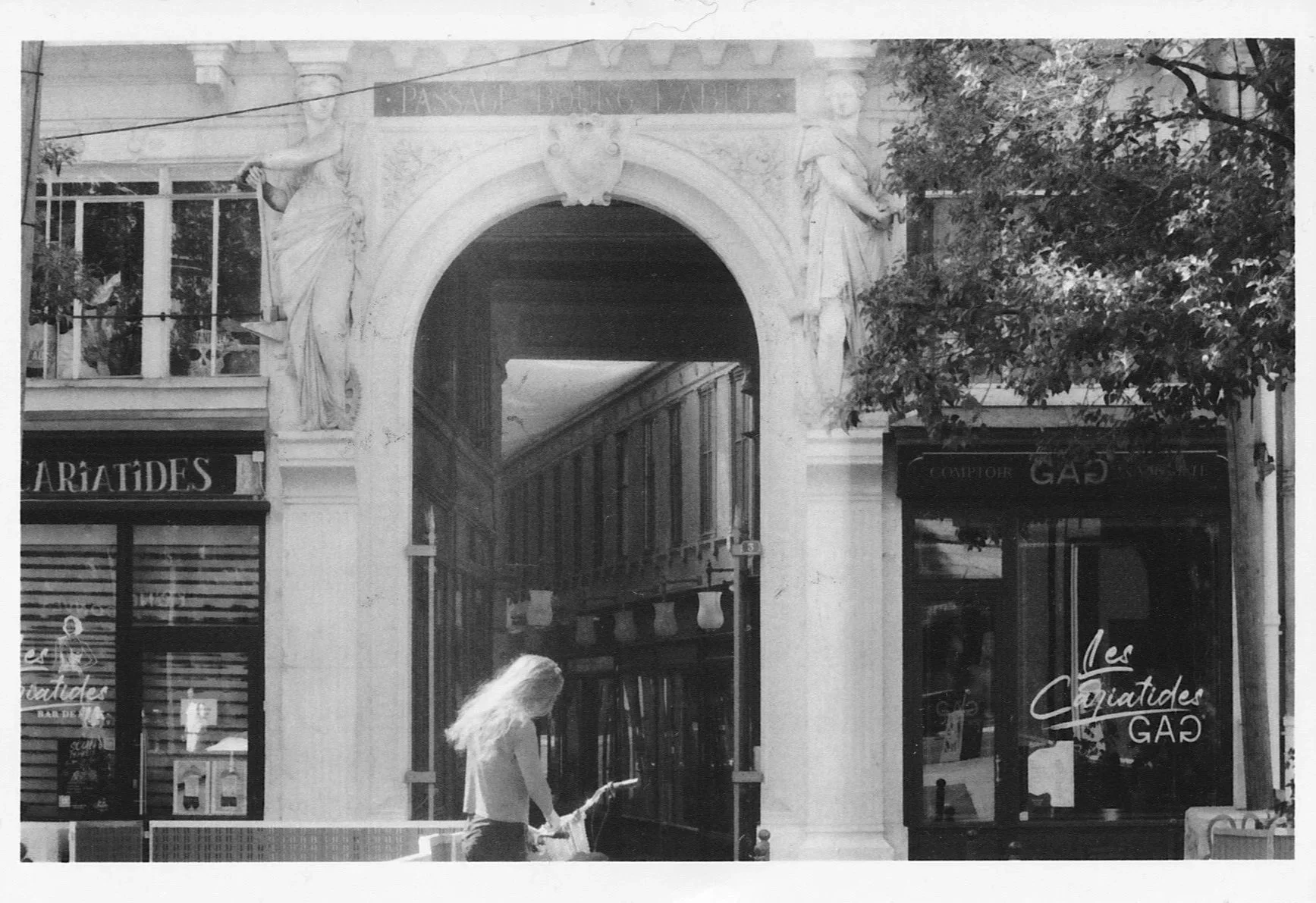
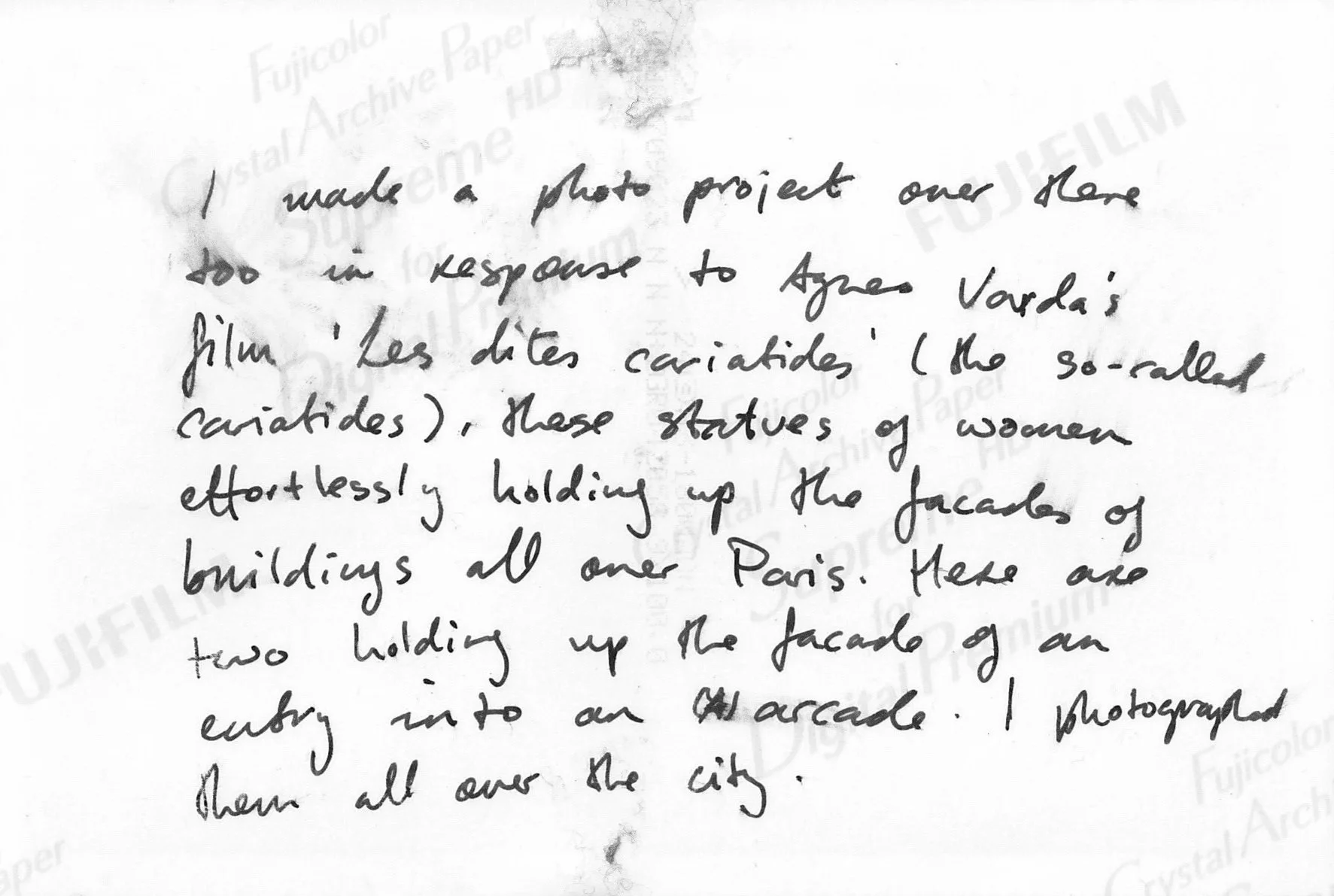
You also mentioned materials. I'm drawn to sensitive and mercurial media. Film comes with limits baked into it - 50 ft of Super 8mm film will give you about 3 minutes of time. And the ISO (light sensitivity) is encoded into the emulsion, so your film works with certain lighting conditions. You can't force a daylight film to work well in the low light of dusk. It is what it is. As a medium, it also entails costs, so this makes me shoot much more deliberately and in much smaller quantities. Varying sets of restrictions apply to 16mm motion film and analogue still film too. You have these parameters to work with, and the simplicity (maybe the humility?) works for me. I'm interested in the relationships between the sensitivity of analogue media and the subjects I shoot - the subjects I'm drawn to have limits; they tend to be exhaustible and prone to being changed by the world around them. I tend to work on a few things simultaneously and move between them. I'm currently editing a work I shot in Paris. One of the central motifs of the piece are these verdigris copper statues dispersed around the city. Those blue-green, not quite turquoise ones. Their surfaces are slowly oxidising in the European atmosphere, so in this way they're a litmus for things outside themselves. Their unstable patina visualises on a molecular level copper reacting with airborne particles, a process hastened by exposure to invisible toxic pollutants. The fact that they oxidise when exposed to air is an intimation of their extraction from a subterranean landscape elsewhere. If statues imply permanence, these mercurial ones subtly index something else. It's like a bruise from which you can infer a past violence.
I'm trying to think about these things and essayistically connect them to other subjects through the film’s emulsion. And trying to find equivalences with sound and noise. The soundscape features a drill siren that has been ringing out over Paris and the boundaries of France once a month since 1948. Its regularity has made it a kind of white noise. I've been thinking more about how such things become subtle acts of boundary enforcement, upholding an inside that is distinct from the outside and, by extension, reinforcing an idea of an 'us' and a 'them'.
I should say that Beatrice Gibson was very nice when I got chatting to her in the gallery back in Paris. I can't remember what exactly we spoke about, but I think I told her I liked her work and that I had just rewatched Claire Denis’ film. She seemed cool. I should also say that we always brought our cans away with us from the sessions by the river in Carlow - I can't stand littering. I've ended up writing this letter across a few sittings, so please forgive the time it's taken me to reply - I'll do better with my next one! I hope you're very well, Ellen. The paper your letter is written on is beautiful also. It snowed the other day, and I tried to take a photo of it against my window to catch the paper's fibres and snowflakes alongside each other but my phone's camera sensor is on the way out, and it didn't have the bandwidth to make the shot.
Best for now,
Chloe

References from these letters
Claire Denis, Beau Travail, 1999. IMDb
Beau Travail (1999), excerpt: “Dancing scene, The Rhythm of the Night” by Corona. YouTube
Beatrice Gibson, I Hope I’m Loud When I’m Dead, 2018. Filmmaker website
I Hope I’m Loud When I’m Dead (2018), trailer. Available via poet CAConrad’s website; CAConrad contributes to the film alongside poet Eileen Myles, with music by composer Pauline Oliveros. Trailer
Chantal Akerman, Portrait d’une paresseuse (Portrait of a Lazy Woman), 1986. YouTube
Agnès Varda, Les Dites Cariatides (The So-Called Caryatids), 1984. DA Film Festival
Artists / Expanded Moving Image
Tacita Dean, The Green Ray. Artist talk / film reference, Youtube
Grace Weir. Artist website
Janet Cardiff. Cardiff & Miller Artist website
Online / Networked Art & Resources
Mail Art Tate - Mail Art
Net Art. Net Art
Mary Oliver. Poetry Foundation
The Pirate Bay (TPB), torrent website for sharing and downloading digital content, including films, music and other digital content.
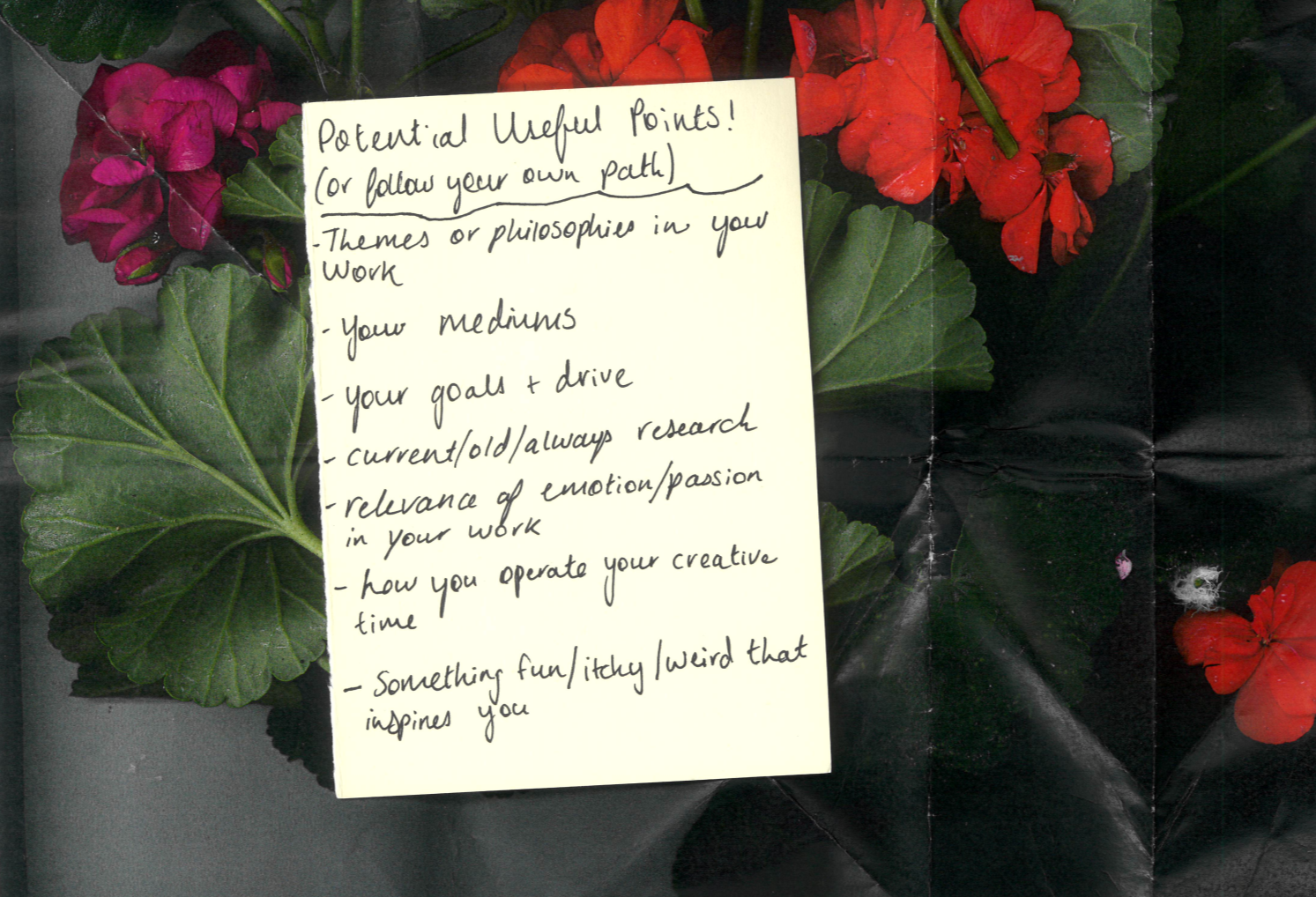
Themes or philosophies in your work. 2. Your mediums. 3. Your goals and drive. 4. Current / old / always research. 5. relevance of emotion / passion in your work. 6. how you operate your creative time. 7. something fun / itchy / weird that inspires you.