Letter 3

January 2025
Dear Chloe,
Slowly, our letter interview continues! I’ve enjoyed reading your last letter several times, a swirling, looping flow that I’m excited for people to read. I think I will attempt to calibrate your practice in my own words a little, write around the edges of some of what you wrote about.
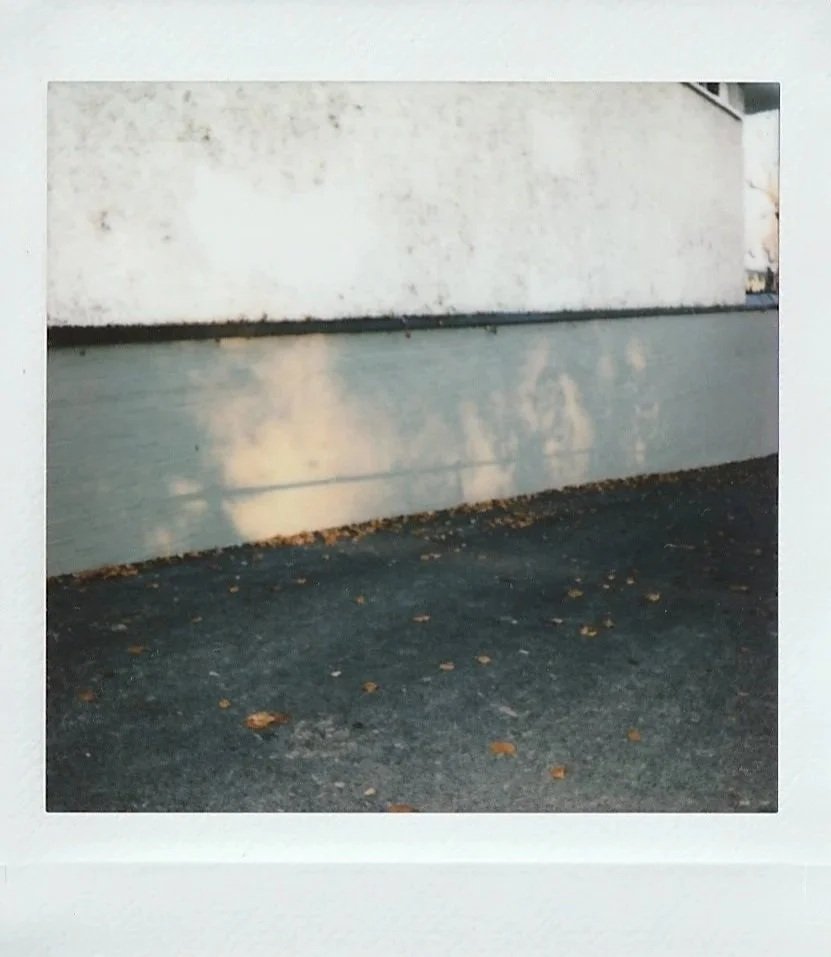
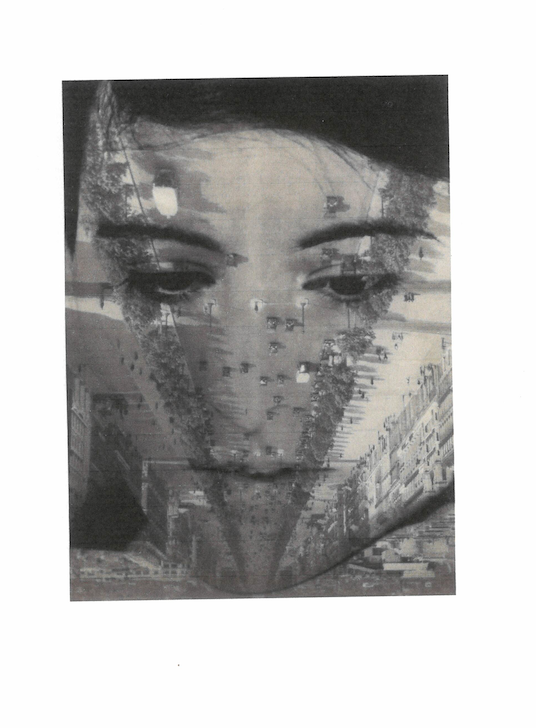
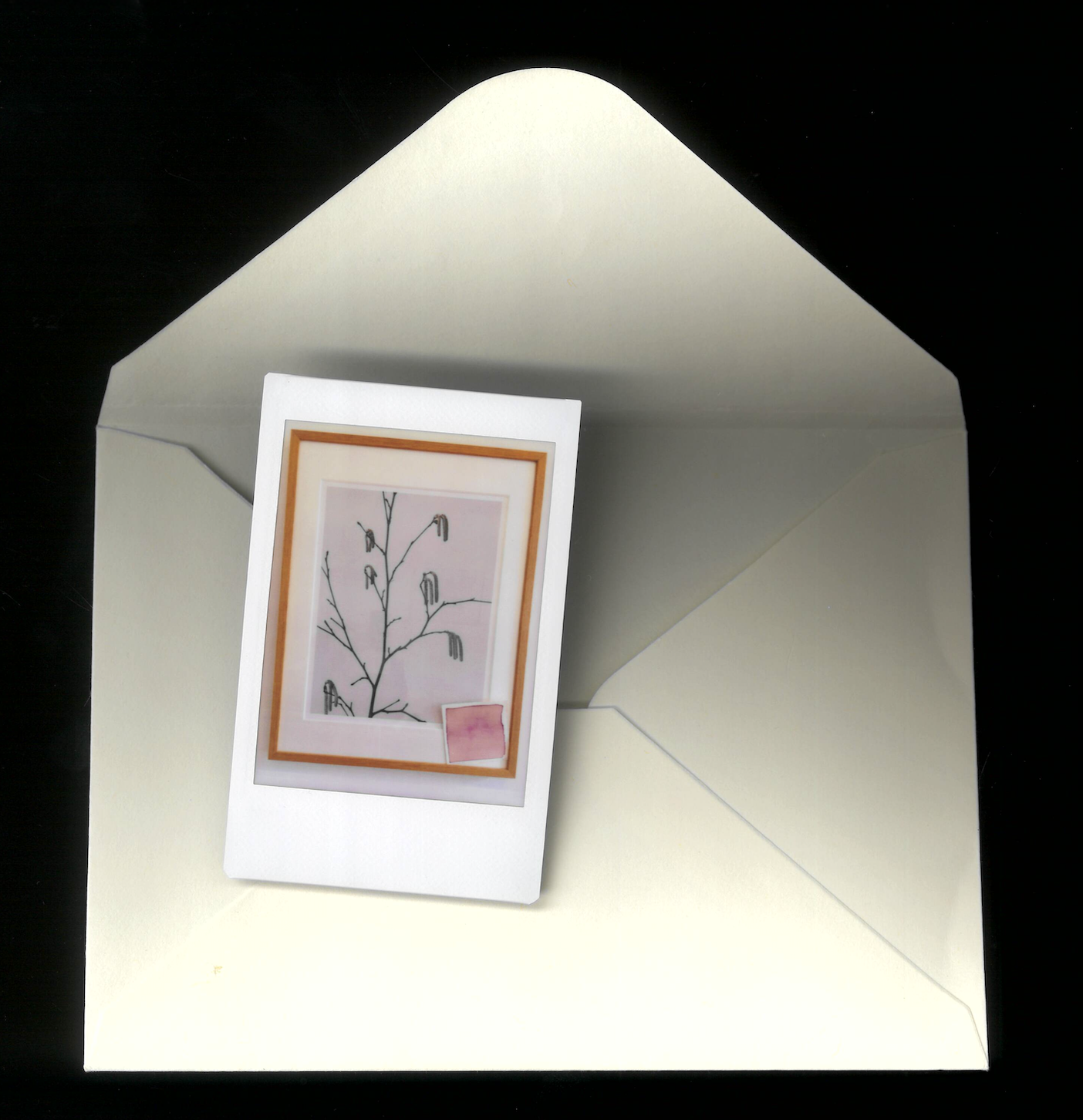
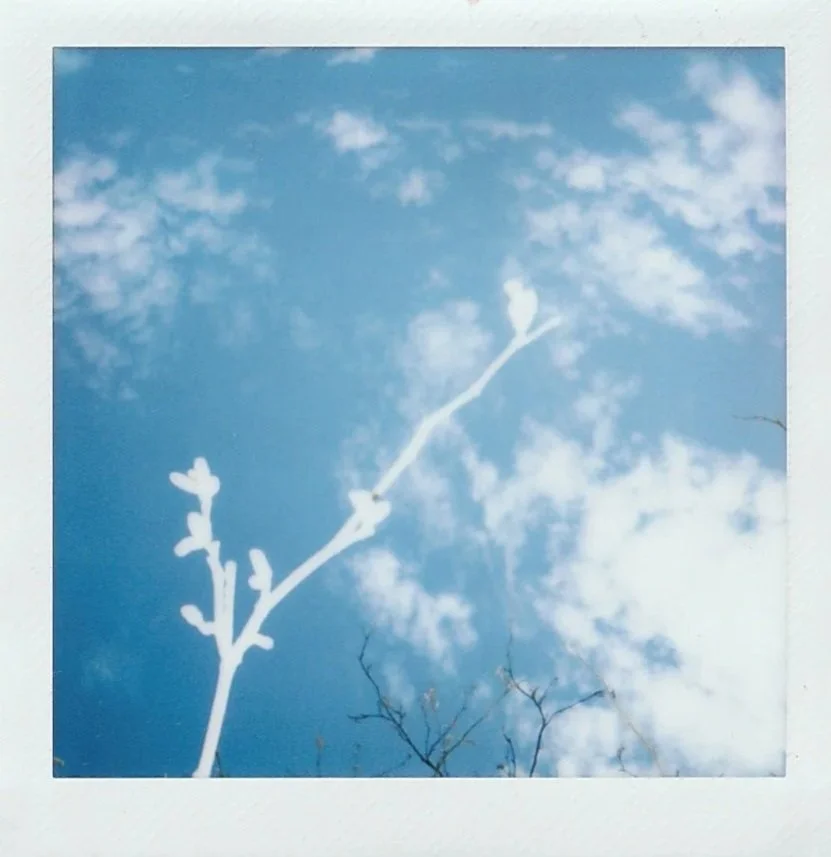
I’ve included a polaroid of your anthotype tucked into the frame of a print I bought from the Tate Modern gift shop last year. The image in the frame is a decent print of a beautiful photograph by 1920’s German photographer Aenne Biermann, maybe you are familiar with her. It's of a hazelnut tree in its catkin stage. Hazelnut trees produce yellow catkins in late winter that hold the trees’ pollen. I love Biermann’s photos. Self-taught, she started taking pictures of her young daughter Helga in the early 1920s, then progressed to photographing stones, minerals, cityscapes, household items, and nature. A move from maternal, emotional and personal imagery to ‘New Objectivity’. She experimented in the darkroom too, with montage and exposure techniques. She died young, and suddenly. A lot of her photos were lost during the Nazi regime, so they are highly valued and scarce. While thinking of you and your ‘Paris works’, (peering at a city quite nichely as you have been), I remembered a photo montage image by Aenne of the Champs-Elysees. I’ve included a copy. You’ll see my link-process here..
Reflecting on some of your references, a repeating idea is there about an individual or entity having power within quiet processes and record keeping. I recently read The Vast Extent, a wonderful collection of essays by Lavinia Greenlaw. I underlined a sentence from the book's foreword that I resonated with and connected to the practices of artists I admire, yours included.
“I’m interested in the things that help us see more clearly (especially interruption and disruption) and those that persuade us to see what's not there. There are times when we want to see more or need to see less, or when we can only see what we expect to.”
The ‘interruption and disruption’ part - you are in this arena. I admire how you point to interruptions across thematics and physical processes, this is mark making. Within the ‘Paris Works’ (and excuse the following simplification to help my brain contextualise), you are addressing women, labour and representation via stone statues, questioning ideas of permanence and internalisation via the oxidization of verdigris statues, and examining visual representations of public space across time and mechanism via the ‘first’ photo of a human. I’m drawn to your thinking in terms of the notion of ‘experience’. There seems to be an intention in your pursuits to raise a deep awareness of time. We can't be in two places at once, and you consider this by displacing time and providing a sense of being ‘all present’. Conversation and response with artists from the past and ones you fan over. Finding illuminating harmonies (Woody Guthrie!) and picking up where another left off. Anecdotal and empirical. Everything everywhere all at once?…
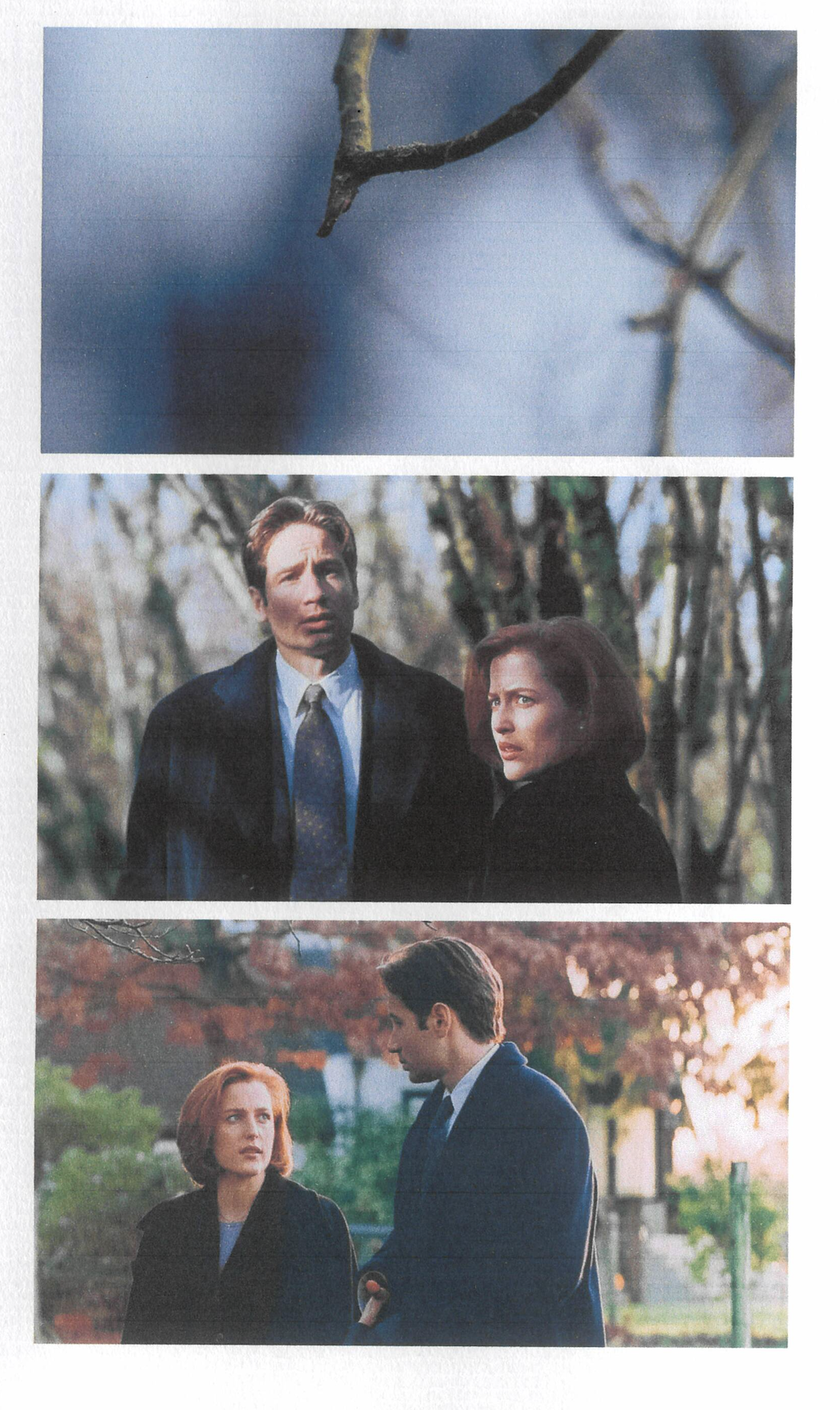
The way you write about your practice gives me the sense of settled peering at the worldly frameworks and visual symbols in your awareness. You appear focused on what is signalled across people, language (visual primarily), and nature….a steady drive to revisit. Inhabiting actions and activities that fix, loop and tie together place, perspective and process. Randomly, when I think of orchards I’m reminded of an old and (rather weak) x files episode about a killer orchard - spoiler: the trees can kill. It's more so the excellent moody tree visuals I’m thinking of. Anyway, your orchard work is more interesting and aware than that orchard sci-fi. I’m looking forward to seeing where you take this dimensional and relevant project.
Just noticed that I have not framed a question for you, or even remotely set one up. What kind of interview is this?! I now want to stop scribbling as my arm hurts.
Looking forward to your reply!
Ellen
PS: You asked how I organize - I also operate best with multiple projects on the go. Yet what also drives me is the idea that awaiting me around the bend is one all-consuming mind-spinning project that will make me an expert in something. I will dive in completely focused and unearth the happiest research of my life. In reality, however, I maintain small ideas over long periods of time and push them in different directions until something sticks and grows. Still trying to understand exactly why I’m orbiting and facilitating the practices of other artists. The call to curation and faciliation is something I had little interest in for years. So, feeling quite unorganized as I tend to this career pathway, but things seem to be working and I am excited by it.
Dear Ellen,
Thank you so much for your letter and images. What a lovely meeting of photographic forms - the framed photograph of the catkins, the geranium anthotype and your polaroid depicting them both... All those photosynthesizing subjects/objects! It's nice do see the anthotype image hanging in there, unfixed as it may be. There's a general rule that the time it takes to expose the image in the plant emulsion is roughly equal to the time it takes for the image to fade, but that also assumes that the quality of light on both sides of the process are roughly the same. Which I suppose if you lived close to the equator it might be. But those of us this far north in this hemisphere know the winter light is not equal to the summer light, so it's interesting to observe the prints' slow fade in comparison to its exposure span.
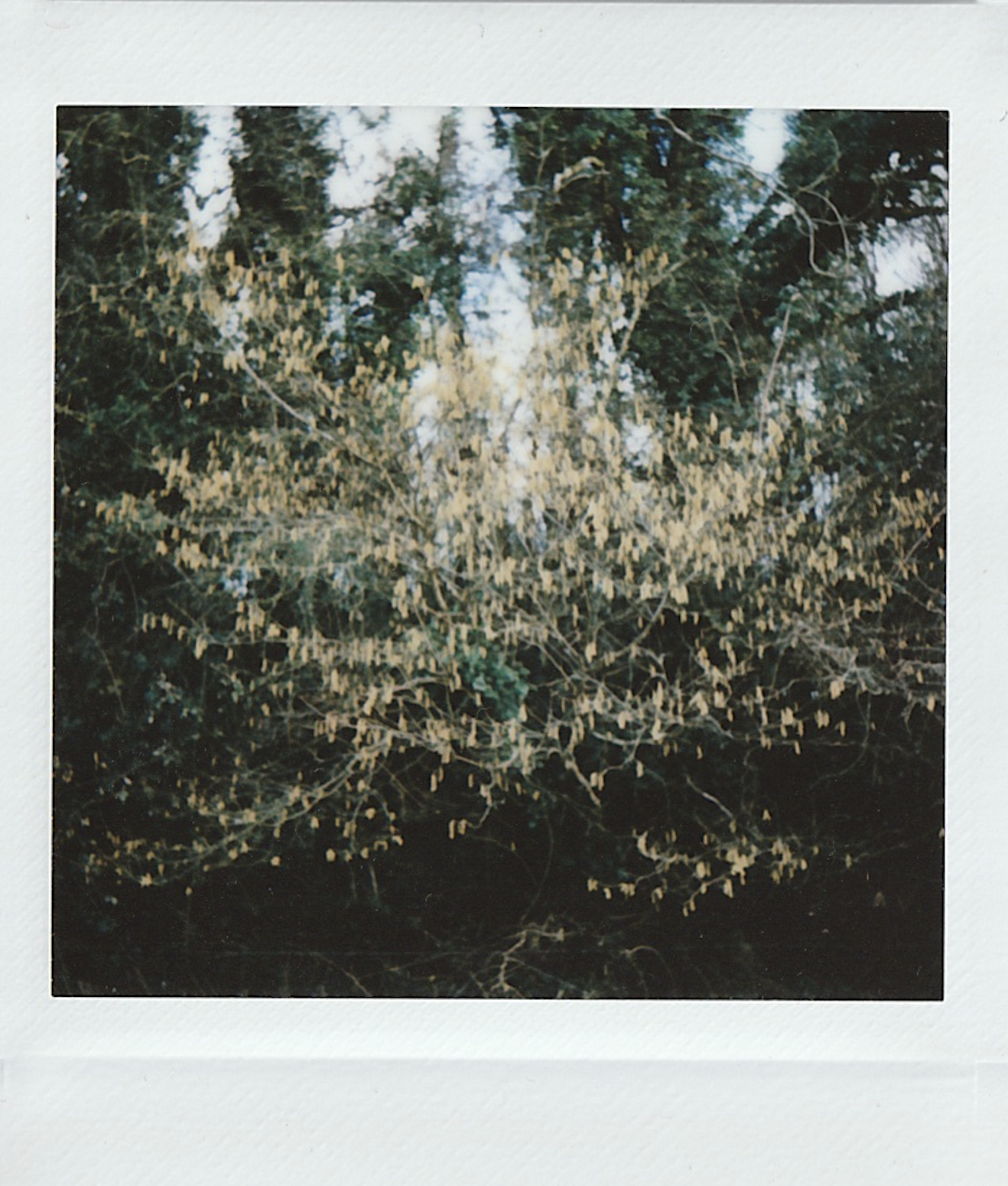
I like your X Files association too! I suppose in its port- colonial, post industrial and post- Monsanto state, the orchard (like many landscapes) in its current state is something of a science fiction. I've been seeing catkins frequently too. It's nice that your letter and Aenne Biermann's photograph contained within are sort of synced to the seasonality of the subjects they reference. I'm enclosing a photograph of a hazel tree along the edge of a field back home in Carlow. We brushed off it when transplanting a sapling from the nursery (it was that time of the year again) and activated a big plume of pollen, which was nice to see but too accidental and transient to document. There's also a second (rather over exposed) image of the branches of another hazel tree located within the orchard.
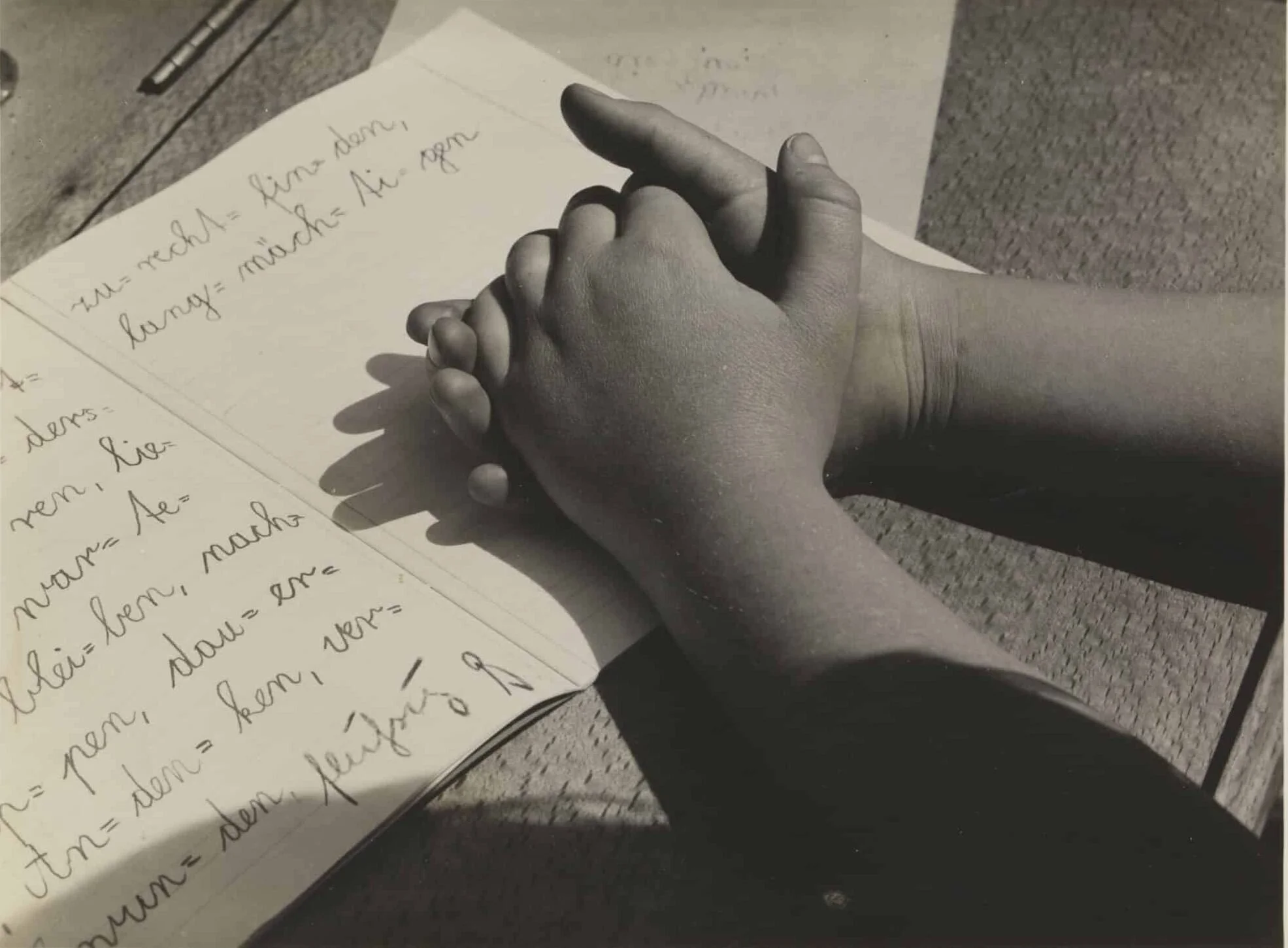
On the note of exposure, thank you for the image of Aenne's beautifully balanced double exposure. Her name rang a bell but I couldn't mentally place her wider practice until I did an internet search of her work and I came across an image of hers that I had seen somewhere before (seulement en ligne?). It's a photograph of a child’s forearms resting on top of an open copy book on a wooden table. Based on the information you provided in your last letter, I'm presuming this to be her daughter? The copy books lined pages are filled with carefully executed handwriting - it appears the child is learning to join letters. Her hands are clasped, in a resting pose on the wooden table as if she's patiently waiting for feedback, or perhaps inspecting her own work (Daisy Hildyard sitting at her school desk?)
It's interesting to read some more online about the New Objectivity movement that Aenne was a part of too, and that it emerged as a reaction to the expressionist movement that preceded it. Because looking at Aenne's thoughtful photographic framing, and also her subject - the daughter's careful handwriting - both express so much without overtly expressive. Maybe it's the restrained/ tender use of mediums that allows something of the person outside of the frame - the writer/photographer - to be discernible. And in Aenne's case, she uses her medium to carefully tune in to the particularities of themarks made by another (maybe this is you in your dual role artist and curator/framer of the practices of others?)
I hear you on the big research project. Maybe for some people these things come in bigger, macro forms with clearly delineated edges. That must be thrilling! I think for me, I'll always need the texture of the daily and the piecemeal to bring me along (and take me off course...) Like I said, I never have a defined artwork in mind when I begin. But I do believe the tactile and atmospheric details of everyday life manifest the structural, and vice versa. This isn't a new idea - feminists have long painted to the political aspects of everyday life. Increasingly I'm noticing that ideas, research and artworks stem in some way from work. Work reveals a lot about the world - who has to do it, who notices it (who doesn't), who gets compensated, who doesn't, what constitutes it (and to whom), what's valued, what's deemed urgent, why now ...
I was taught to graft an apple tree recently which I'm pretty happy about. And how to spot potential scions on very old frees, which when cut at the right point and in the right way, hold potential for being grafted onto another root culture. Which I suppose is one of the specific things required of me right now in the scale of my own days with this old, wild orchard/"sci-fi" habitat. The intersecting occurrences of aging trees, aging parents and increasingly frequent storms are asking it of me (and also my two sisters). I suppose I am thinking more and more of the art practices that interest me as part of a range of responses to what the world is asking of us, as it intersects with us, in different and particular ways. And answers are required across multiple modes and temporalities.
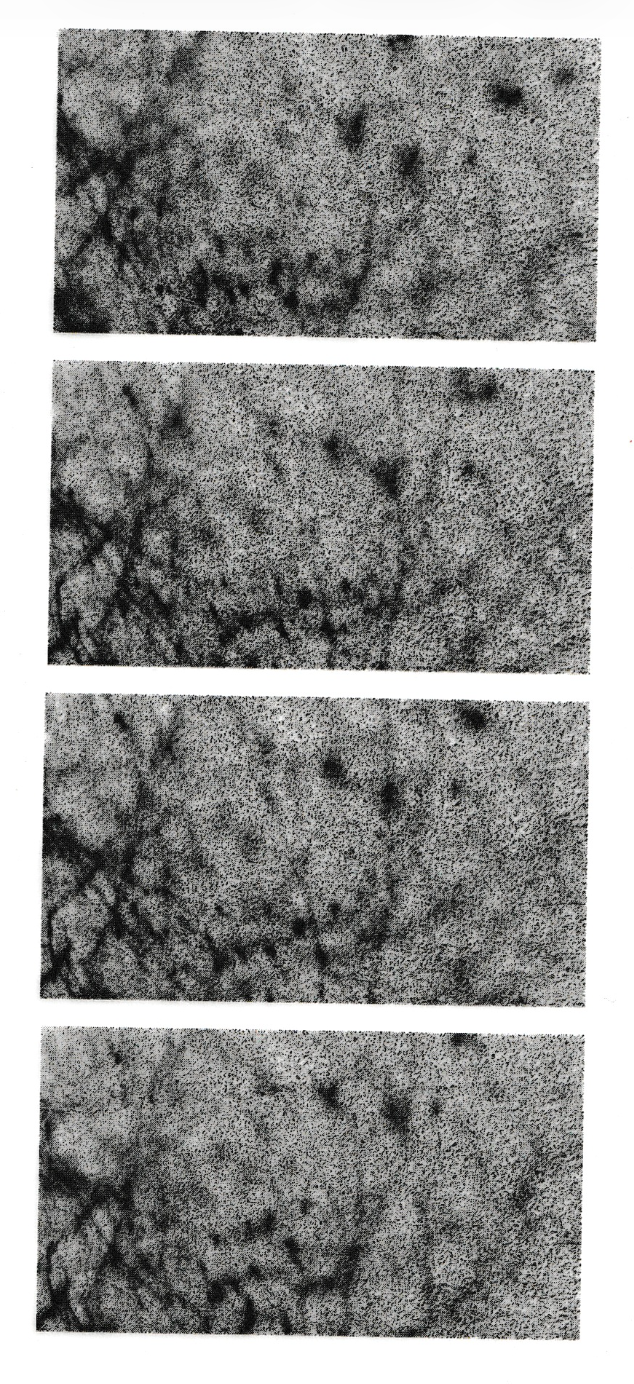
On the note of questions, I watched Alice Rohrwacher’s film La Chimera last year (I won't spoil it) and there was an interesting question posed in it. It's a beautiful, sad and dreamy piece of work exploring the hazy, porous relationship between Italy's past and present (the present in the film is the 1980s, though it's challenging to firmly fix yourself in any particular time throughout).
The central character works with a crew of tombaroli, who scrape together meagre livings by looting long forgotten Etruscan tombs, buried just below the surface. They sell the artefacts to the wealthy, privileged collectors, who maintain a safe, insulated and sanitized distance from danger, while profiting from the risks taken by the poor. At one point in the film, Italia, a homeless young woman in search of a place to call home and a chance at a future, comes across an abandoned, run down train station and she asks "Does it belong to everyone or does it belong to no one? It's a great question and I've been thinking about it again these past few weeks in particular... I suppose about how the train station ruin could be read as a metaphor for the aftermath of the failed promises of modernity’s industrialised, linear "progress". It's state of disrepair could also evoke something of the collapse of public transport/infrastructure and the corrosive slippage into privatisation. But Italia sees potential in the ruin, and in spite of all the work required, the potential for making a home.
Anyway, I've been thinking that the derelict train station could serve as a metaphor for our wider world - one world of housing shortages, subscriptions, soaring rents, increasingly privatised natural resources, and shrinking public spaces (not just physical spaces, but also political ones - space that's increasingly being denied to trans people, women, the working class, people of colour...); our world of rising sea levels and rising numbers of billionaires. And the question could be posed again: does the world belong to everyone, or to no one? And if the answer is ‘everyone' then what work is required so that everyone can make a home from it? And what does that ask of us?
Thank you for the attention you’ve directed to my own idiosyncratic art practice, whose edges it seems are forever warping. And I've really enjoyed learning more about the origins of Screen Service and your own fluid practice. I'm looking forward to experiencing more of your projects, long live artist- led initiatives. And it's been really nice to talk through letters, the slowness allows for generative digressions to think through and to come back from.
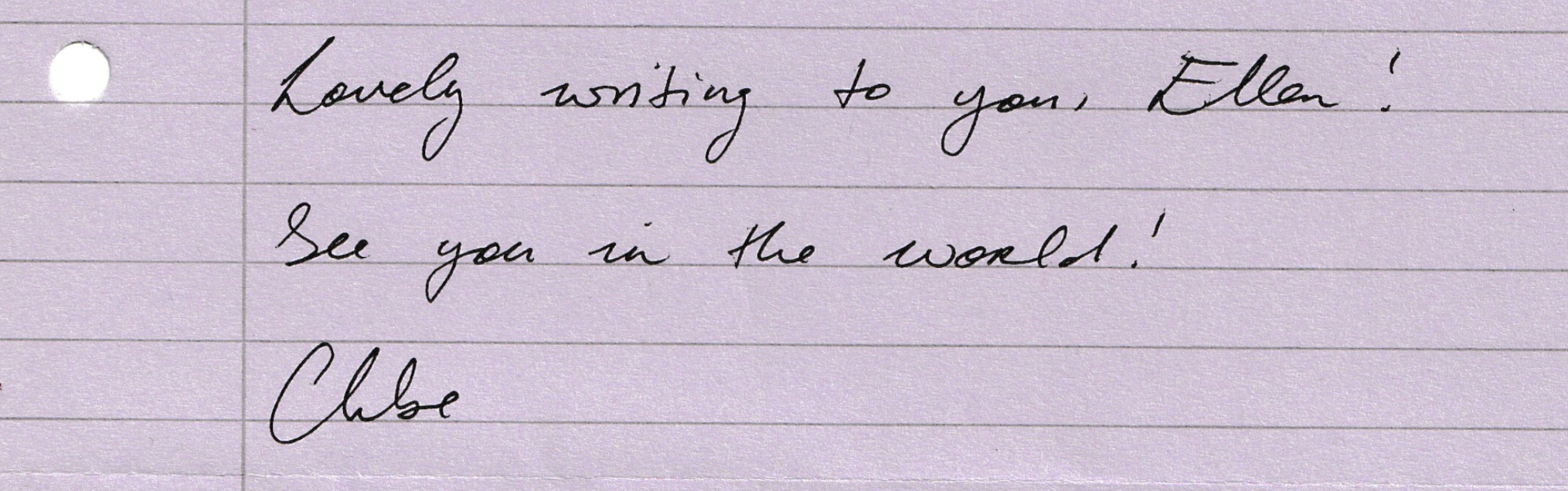
Lovely writing to you, Ellen!
See you in the world!
Chloe